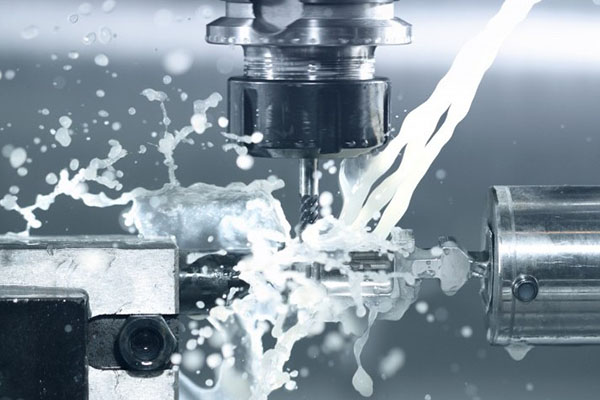
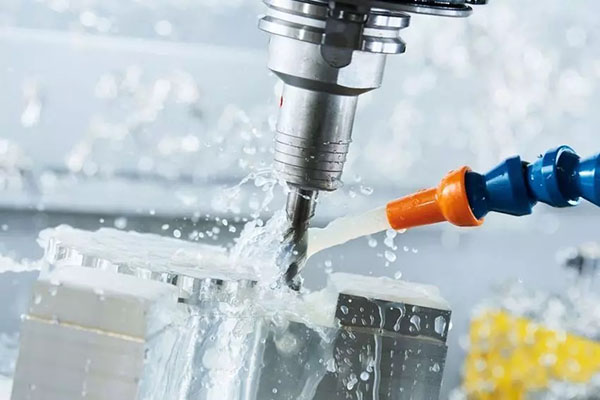
As we know, metal cutting will generate a lot of heat to wear tools and deform workpieces. It is necessary to use coolant to quickly take away the processing heat and control the processing temperature. However, the strong friction between the impurities in the coolant and the tool and workpiece will deteriorate the quality of the machined surface, shorten the tool life, and also produce a lot of oil mist to pollute the air, waste liquid and slag to damage the environment.
Therefore, improving the cleanliness of cutting fluid and controlling the temperature of cutting fluid can reduce tolerance dispersion, reduce waste products, improve tool durability and effectively improve machining quality.
In addition, the precision temperature control technology can also be used to precisely control the thermal deformation of parts to improve the machining accuracy. For example, controlling the temperature change of the reference gear of the gear grinder within ± 0.5 ℃ can realize the gapless transmission and eliminate the transmission error; The screw pitch error can be controlled with micrometer accuracy by adjusting the screw processing temperature with 0.1 ℃ accuracy. Obviously, precision temperature control can help machining achieve high-precision machining that can not be achieved by mechanical, electrical, hydraulic and other technologies alone.